 State-protected monument
 Fort
Lohagarh Fort
The Iron Fort that swallowed cannonballs.
The Eastern Gateway of Rajasthan
A 29 km² wetland on the Central Asian flyway, a fortress whose mud walls swallowed cannonballs, and a city built on the warm Braj-region tradition of welcome.
Choose your path
Most destinations push you toward a single itinerary. Bharatpur opens three. Pick the one that speaks to you — or weave them together over a long weekend.
A 29-square-kilometre wetland on the Central Asian flyway, a quieter sister sanctuary, and a winter when the cranes come.
Begin the pathAn iron fort whose mud walls swallowed cannonballs, a summer palace whose fountains cooled a desert, and the slow accretion of a dynasty.
Begin the pathA temple paid for by the city, a family shrine carved with marsh birds, and the 84-pillared sanctum at the edge of Krishna country.
Begin the pathA history you can trust
Some sites tell you Bharatpur was "never won" by the British or the Mughals. That isn't true — and the truth is more interesting. What Bharatpur is famous for is not the impossible: it's the unlikely. A regional Jat state that emerged from agrarian rebellion to seize Agra, melt down the silver doors of the Taj Mahal, and — when Lord Lake's army arrived in 1805 with modern artillery — repel them with walls of mud.
Four anchors
If you only have time for four places, make them these.
State-protected monument Fort
The Iron Fort that swallowed cannonballs.
 UNESCO World Heritage Site
 Nature
A 29-square-kilometre wetland, sculpted by hand, ruled by birds.
 Built c. 1730
 Palace
Char Bagh gardens, hundreds of fountains, and the finest Hindu palace in north India.
 Built across multiple reigns
 Museum
581 sculptures, 861 craft objects, and the slow accretion of a dynasty.
Bird the wetlands
Painted storks, great white pelicans, demoiselle cranes, oriental darters — Keoladeo's migratory peak runs November through February. Resident species like the Sarus Crane keep the trails busy year-round. The park's rickshaw-naturalists are the strongest local guide tradition in any Indian protected area.
Plan a birding tripLong-form stories
Five long-form pieces from the editorial spine of the site — the siege at Lohagarh, the return that may yet come, the strange brilliance of Suraj Mal's brief reign.

In 1805, Lord Lake's army arrived expecting an easy victory. Six weeks later, they retreated. The story of how a Jat king's choice of construction material humbled the British Empire's most modern artillery.
Read story →
For decades, Keoladeo was the only known wintering site for one of the rarest cranes on Earth. Then they stopped coming. The story of a wetland, a flyway, and the people who refuse to give up on its quietest visitor.
Read story →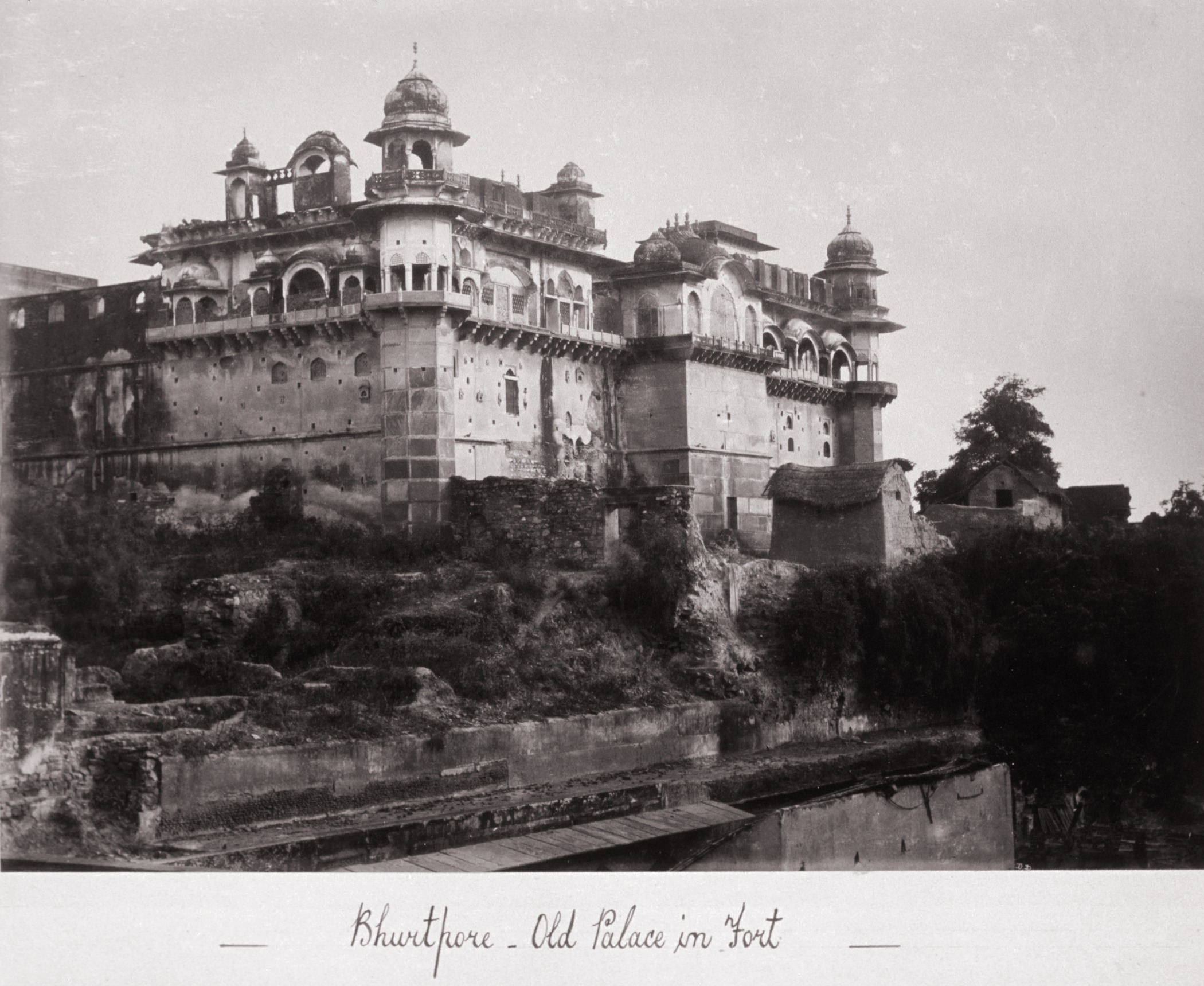
He fought roughly eighty wars and remained undefeated. He raised the Bharatpur kingdom from a minor zamindari to a state that controlled territory from Mathura to Rewari. The brief, dense reign of an unusually clear-eyed king.
Read story →Bharatpur is widely celebrated for its helpful, easy-going people. The simplest behaviour and profound hospitality of locals stand in stark contrast to the rugged military history of the region — ensuring that visitors, whether exploring markets or navigating sanctuaries, experience a profound sense of welcome and cultural immersion.